Editorial Playlist
Tile Design System

Case Study / Design System / iHeartRadio
Context
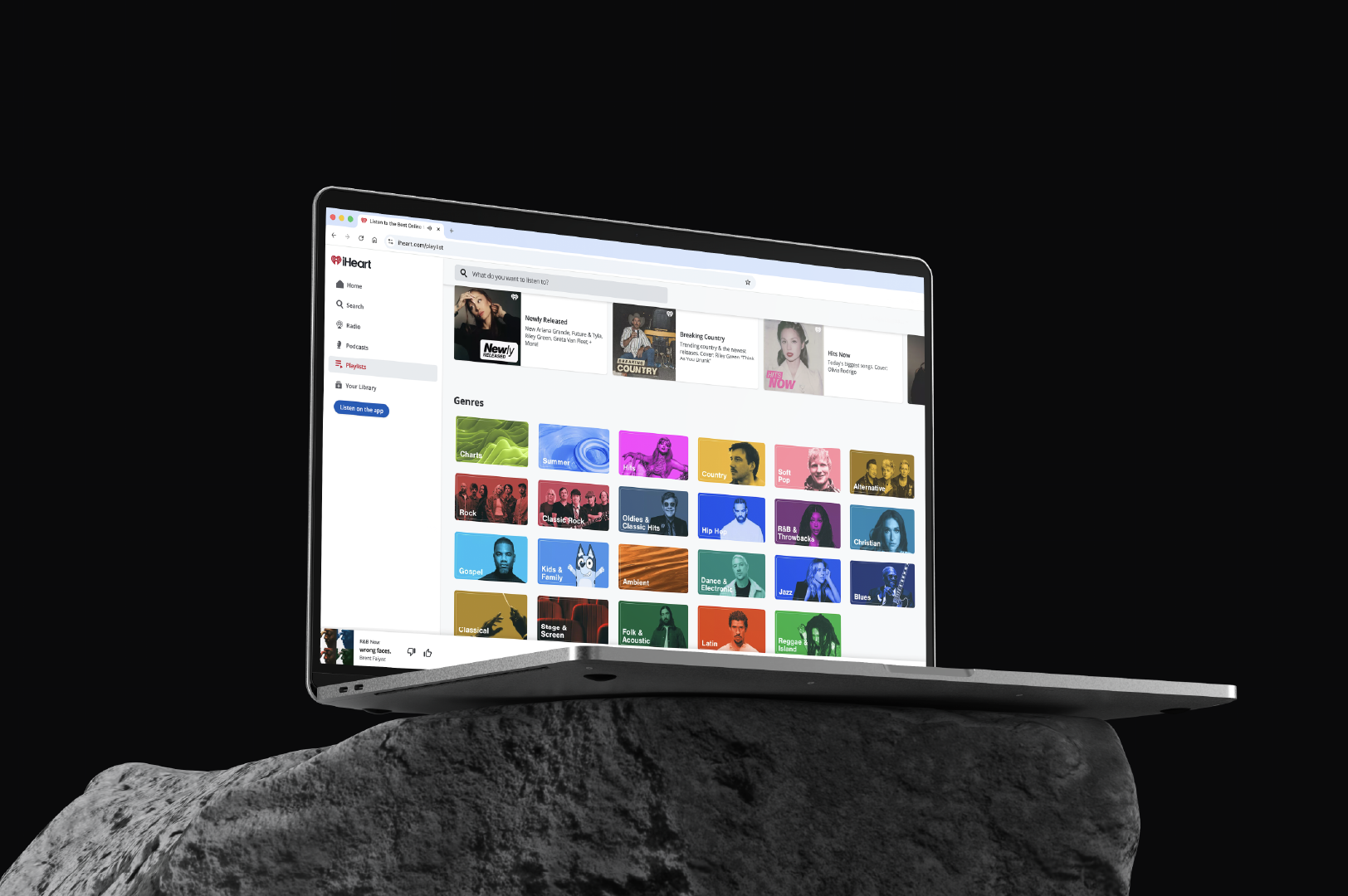
The Streaming & Digital Music team at iHeart needed a playlist tile system that could keep pace with a growing editorial catalog. The existing system lacked consistent rules for type, color, and layout, which made it harder to scale and kept the team dependent on the creative studio for routine playlist launches.

The goal was to create a flexible, self-serve system that allowed non-designers to build new playlist tiles quickly while maintaining consistency, legibility, and accessibility across the iHeart app.
Problem
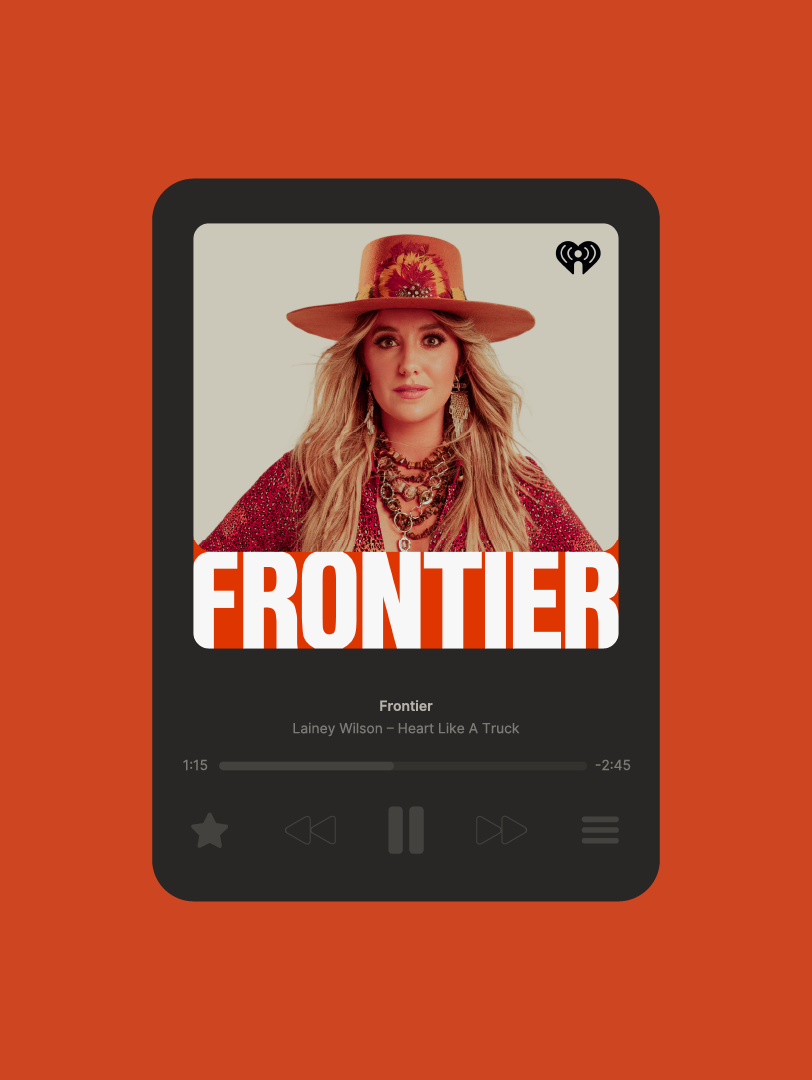
The redesign gave SDM a clearer, more scalable system for creating editorial playlist tiles. Locked grids, type rules, contrast-safe color palettes, and editable templates helped the team move faster while keeping the ecosystem visually consistent.The result was a system that reduced production friction, improved legibility across placements, and made accessibility part of the workflow rather than a final check.

Reframe the Request Around Scale

The work shifted from redesigning individual playlist tiles to building a repeatable system that could support a growing editorial catalog without custom design for every launch.
Create a Shared Structural Foundation

Standardize Type for Legibility

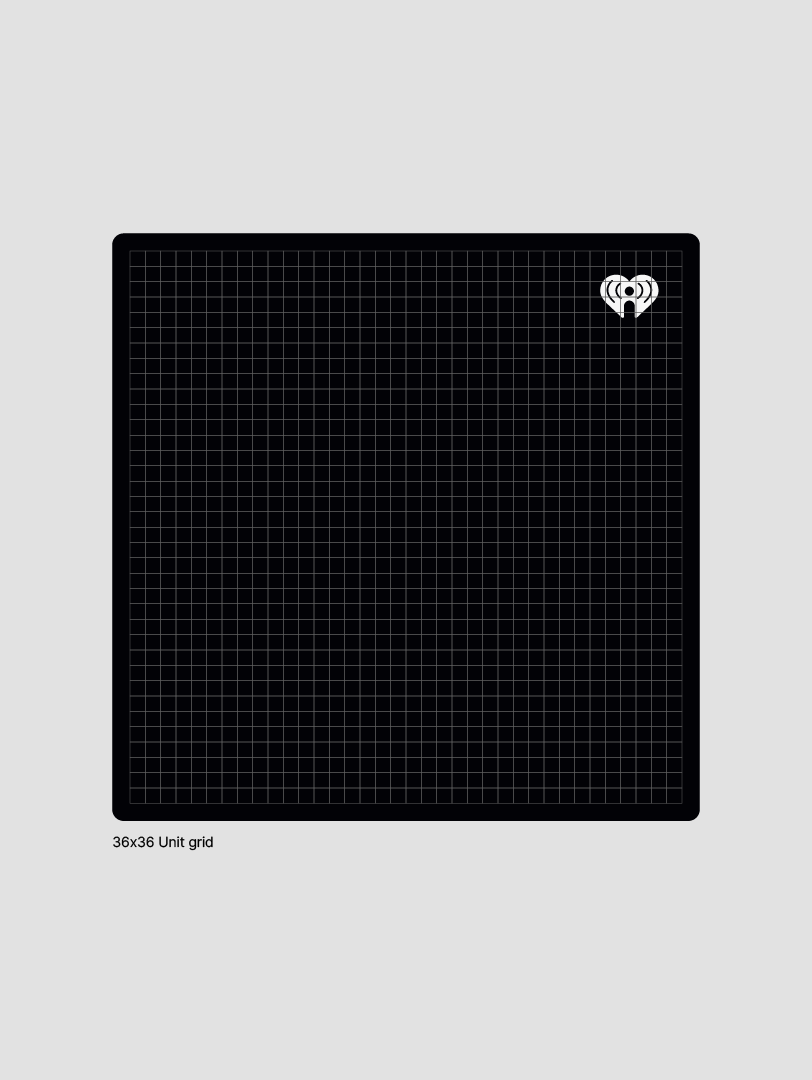
A fixed grid, safe zones, and locked iHeart bug placement gave every tile the same underlying structure, making the system easier to recognize and maintain.

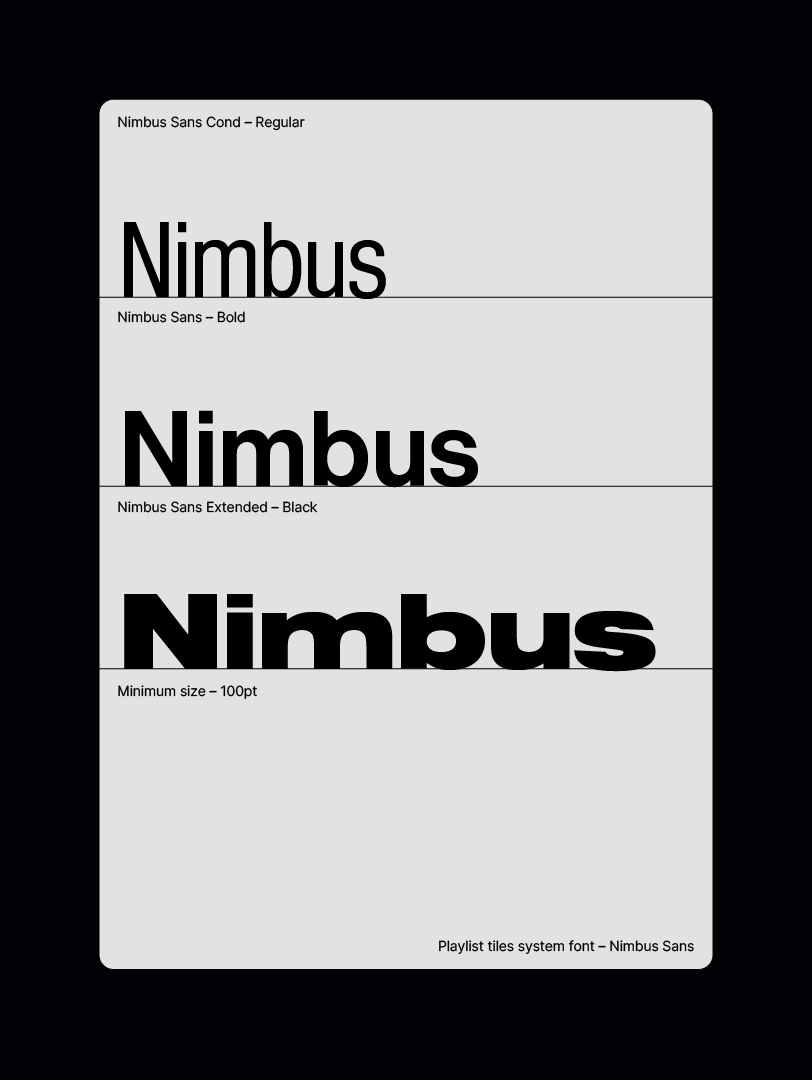
Nimbus Sans, clear hierarchy, minimum size rules, and predictable title behavior helped playlist names stay readable across app, web, and player contexts.
Translate the Rules Into Templates

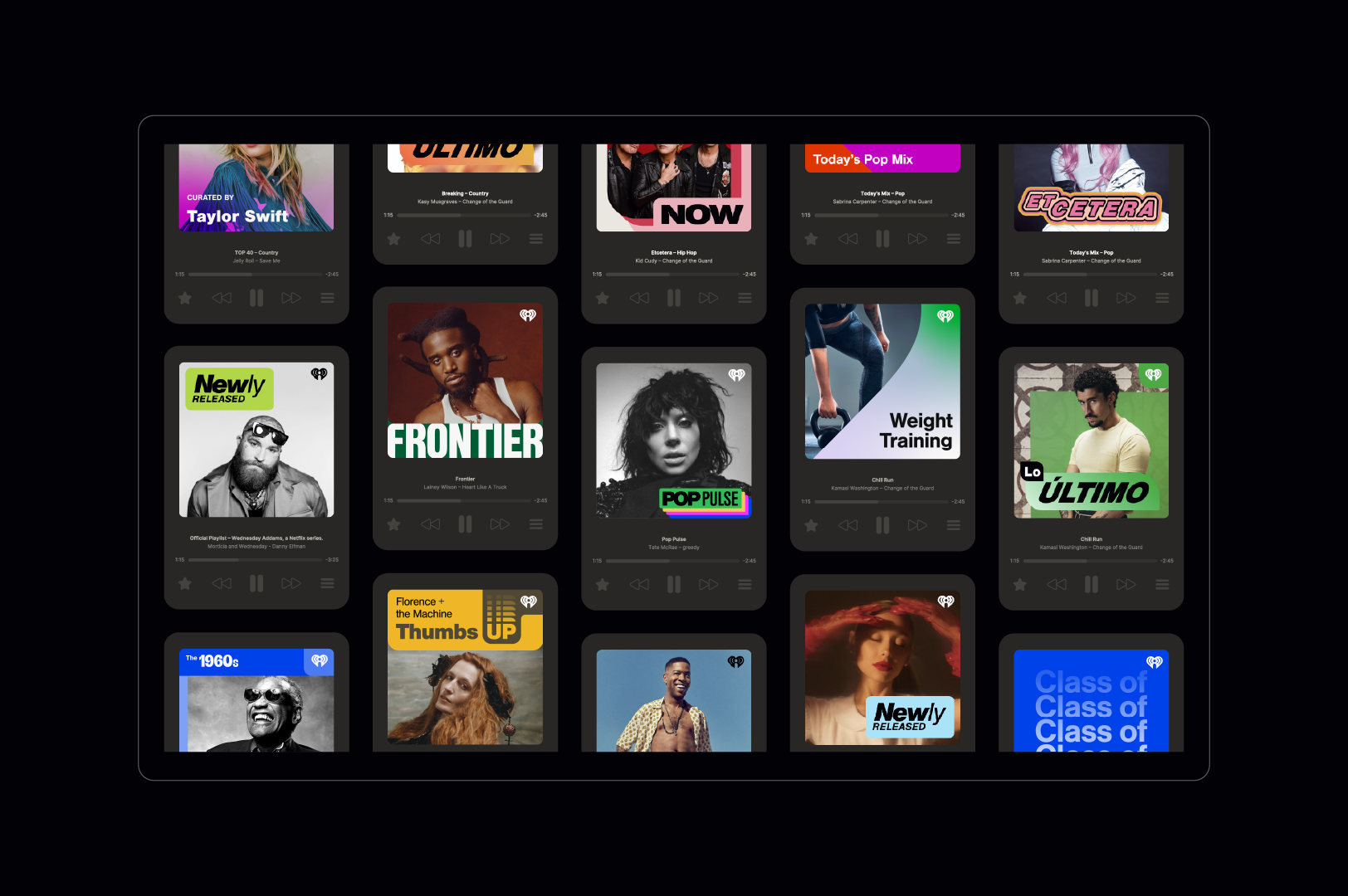
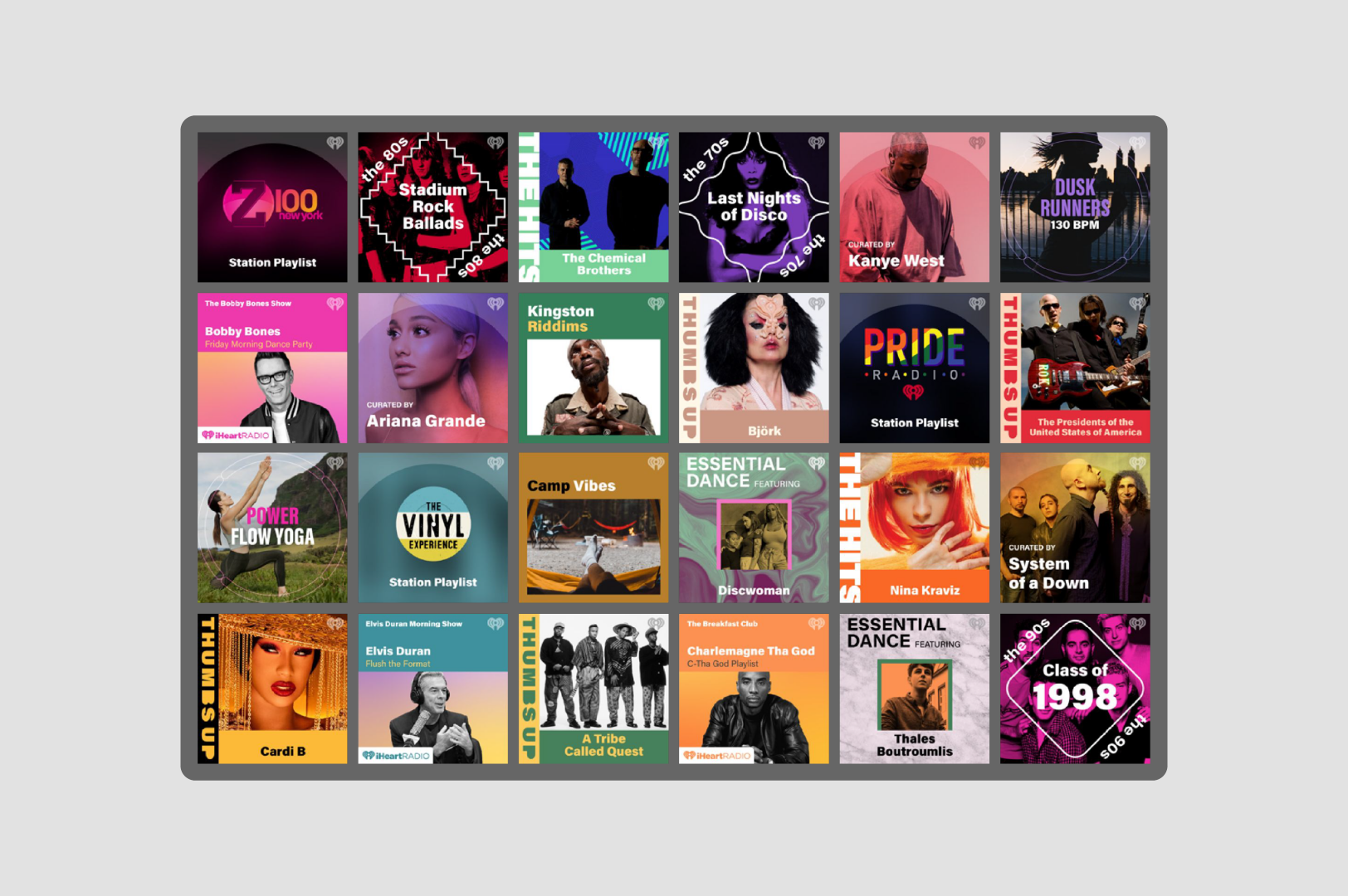
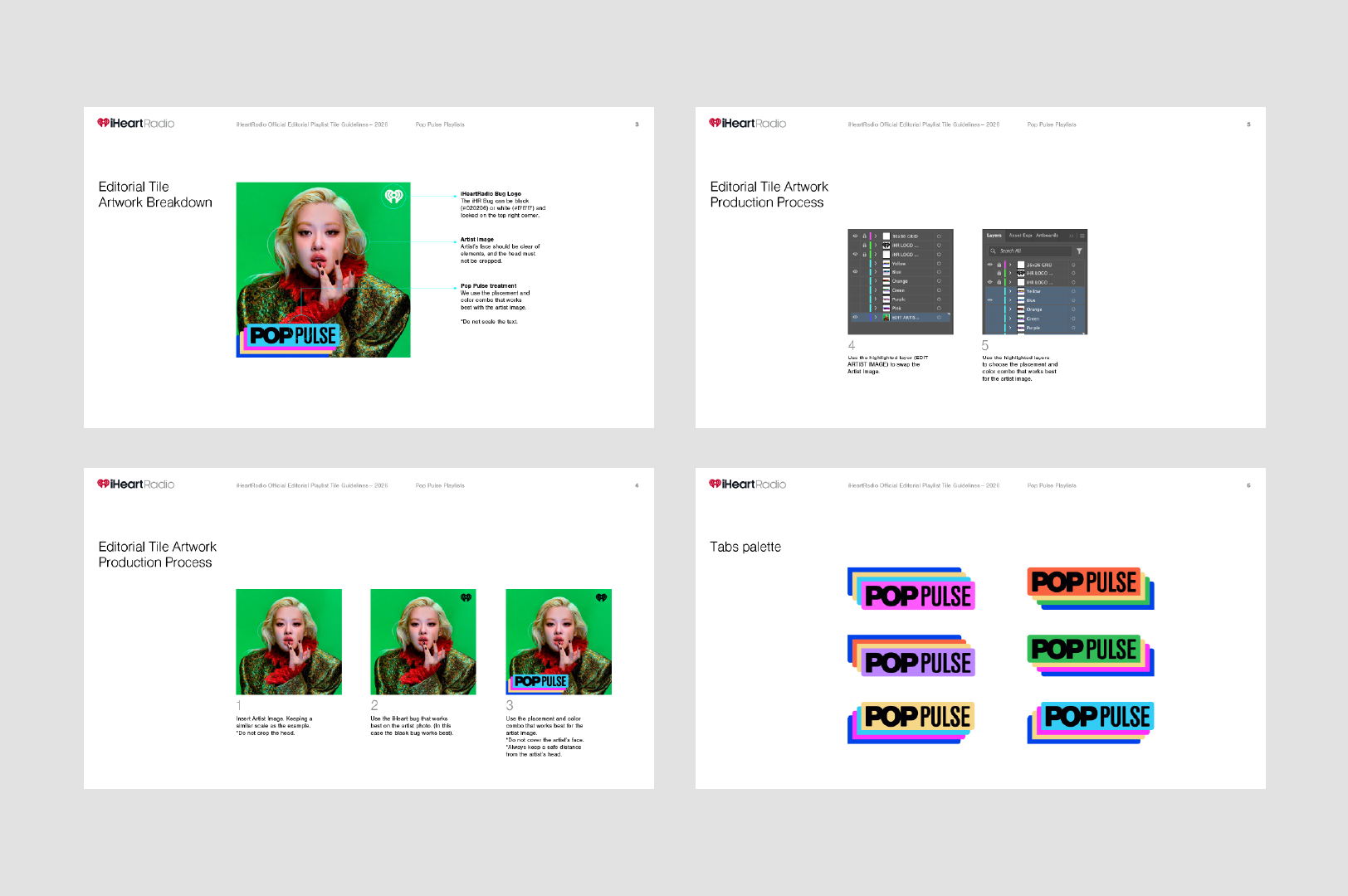
Editable content areas and locked system elements allowed the SDM team to update images, titles, and colors without breaking the visual system.
Build Color Rules Around Contrast

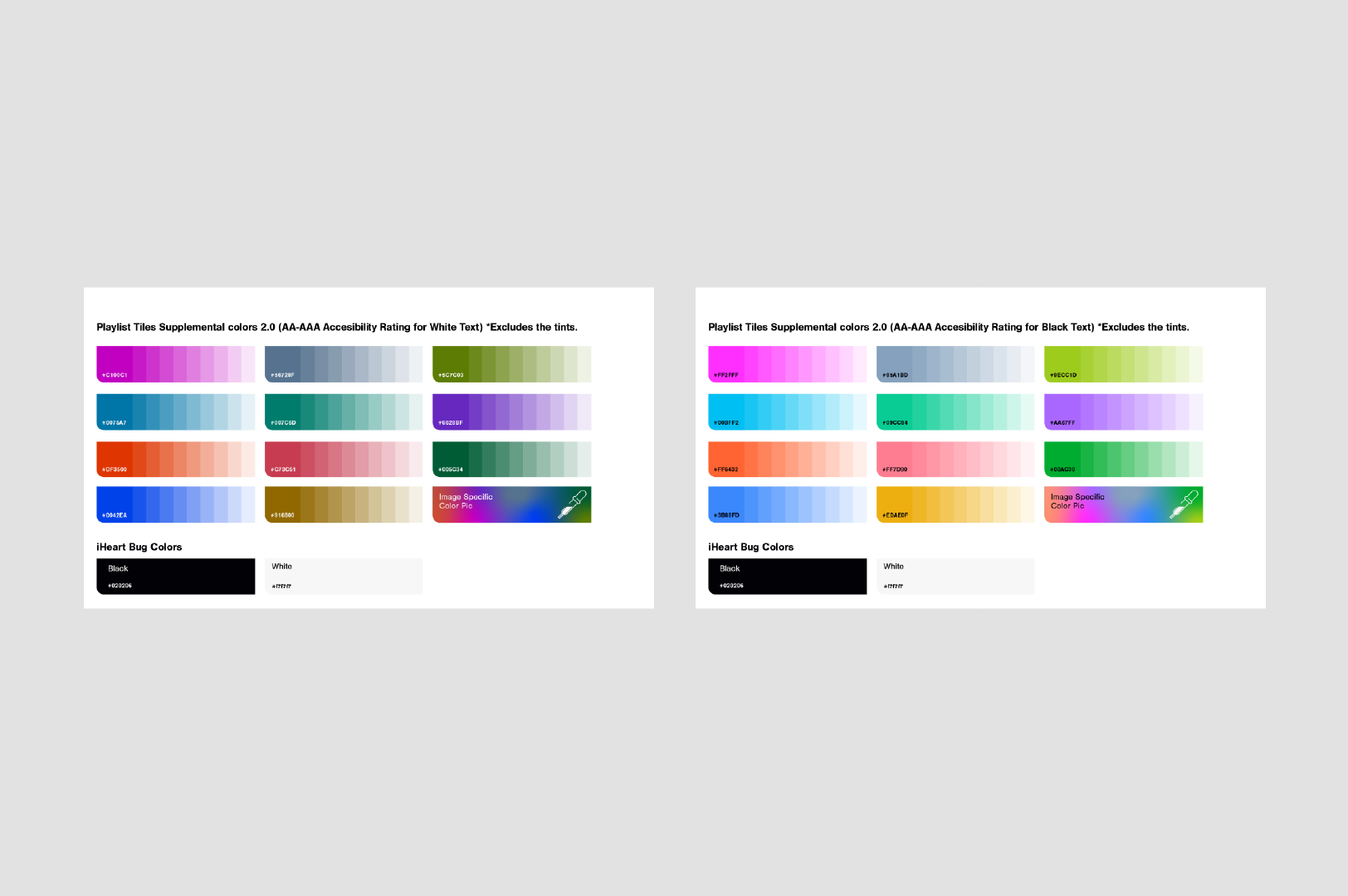
The color system balanced expression with accessibility, using tested pairings for light and dark text to protect legibility at small sizes.
Validate Across Real Placements

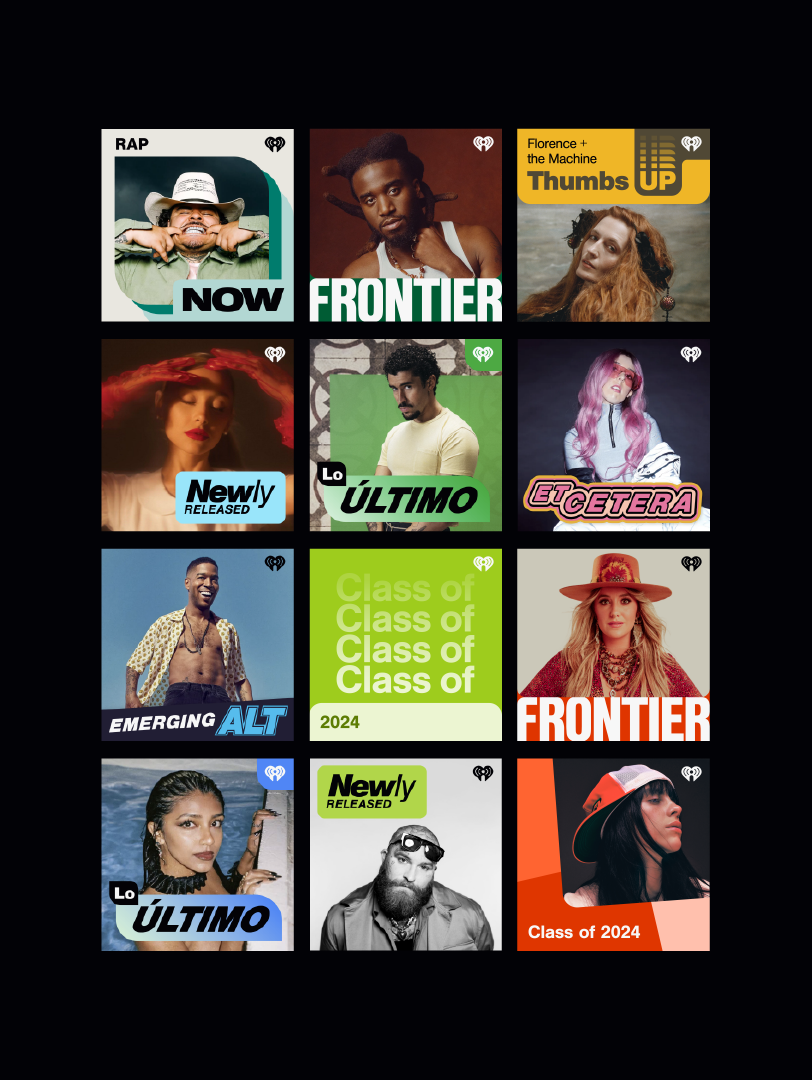
The system was tested in grids, player modules, and web/app views to ensure it held together in the places listeners would actually see it.
Credits
Erick Melendez
Bennett Williams
Paul Beresniewicz
Lindsay Spisak, Sammy li, Asher Reed, Tae Su

Photography: Taylor Regulski
Feb 2024 — Oct 2026